
Introduction
In a world where eco-conscious choices are becoming a necessity, embracing solar technology has never been more appealing. Solar water heaters, in particular, offer a smart and sustainable solution for homeowners looking to reduce their carbon footprint while enjoying the comforts of modern living. In this blog, we’ll dive deeper into the features, types, and advantages of solar water heaters, helping you make an informed decision for a greener home.
1. How Solar Water Heaters Work
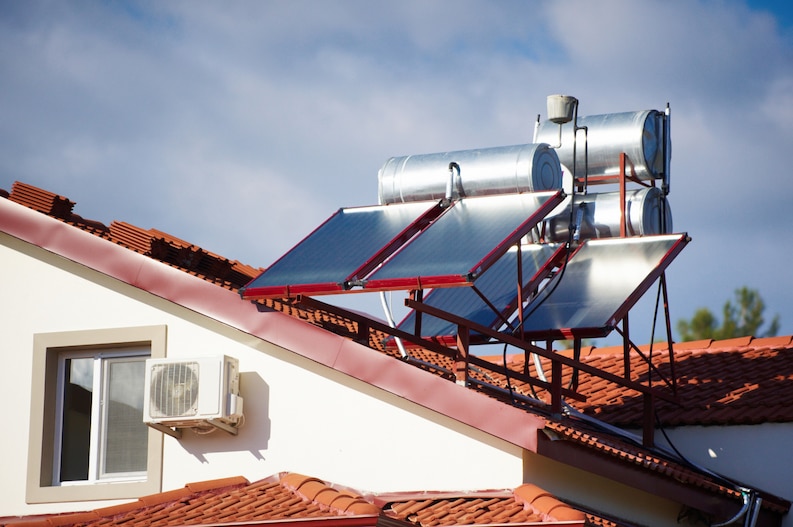
Solar water heaters utilize photovoltaic solar panels to capture sunlight, converting it into thermal energy. This energy is then transferred to a heat exchanger or directly to the water storage tank, effectively heating the water. This process ensures that you have a steady supply of hot water while minimizing energy consumption.
2. Types of Solar Water Heaters
There are two main types of solar water heaters: active and passive systems. Active systems use pumps to circulate water through the solar collector and into the storage tank, making them suitable for regions with colder climates. Passive systems, on the other hand, rely on gravity and natural circulation to move water through the system, making them simpler and more cost-effective.
3. Environmental and Financial Benefits
By harnessing the power of the sun, solar water heaters significantly reduce your reliance on traditional energy sources, resulting in lower utility bills. Moreover, these systems have a minimal carbon footprint, as they generate no greenhouse gas emissions during operation. The initial investment might be higher than conventional water heaters, but the long-term savings and environmental impact make it a wise choice.
4. Considerations for Installation
Installing a solar water heater involves evaluating your location’s solar exposure, available space, and local climate. Ideally, the solar collectors should face south and receive ample sunlight throughout the day. Proper installation ensures optimal energy capture and efficient water heating.
5. Maintenance and Longevity
Solar water heaters are relatively low-maintenance systems. Routine checks on the solar panels, heat exchanger, and storage tank ensure they operate at peak efficiency. These systems are designed to last for decades, often backed by warranties that provide peace of mind.
6. Incentives and Future Trends
Many governments and utilities offer incentives such as tax credits, rebates, and grants to promote renewable energy adoption. These incentives can significantly offset the initial investment, making the transition to solar technology more affordable. As renewable energy gains traction, advancements in solar water heater technology continue to improve efficiency and affordability.
Conclusion
As we strive for a more sustainable future, solar water heaters stand out as a beacon of eco-friendly innovation. By harnessing the sun’s energy, these systems offer numerous benefits, from reduced energy bills and lower environmental impact to energy independence. Whether you’re considering a shift for financial reasons, environmental consciousness, or a combination of both, solar water heaters are a step towards creating a more sustainable and greener home.